Support to Stay Home, with Comfort and Dignity
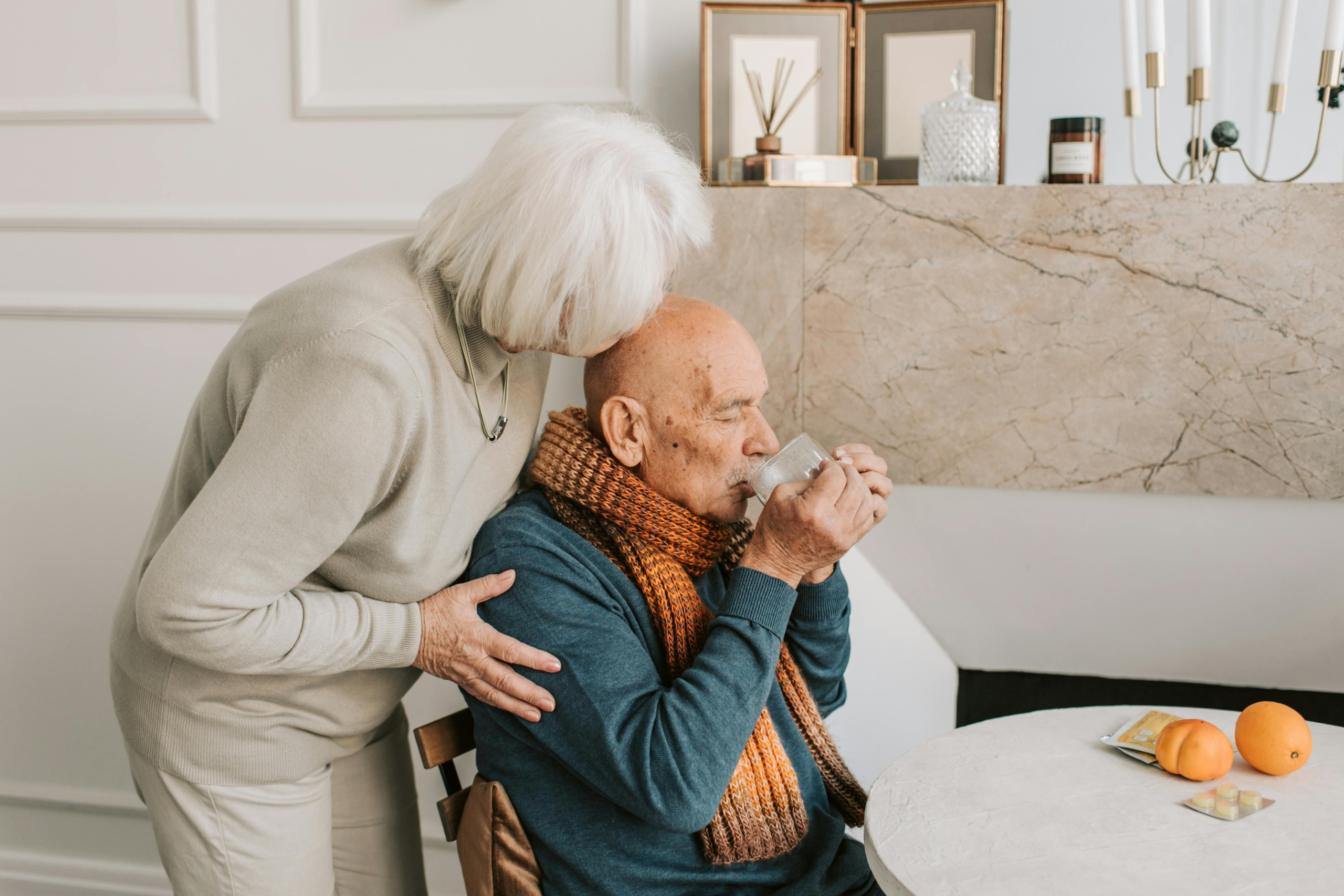
If you or someone you love is approaching the end of life, being at home, surrounded by familiar people and places, can make a profound difference. At Pursuit Allied Health, we’re here to help make that possible. Our Occupational Therapists and Physiotherapists work practically and compassionately to make sure your home is set up in a way that supports comfort, safety, and dignity right through to the end.
What is the End of Life Pathway?
This is a flexible, responsive program, where we bring Occupational Therapy and Physiotherapy; directly into your home during the end-of-life phase. Everything we do is centred on making daily life as comfortable and manageable as possible for you and your family.
We work closely with your existing care team, GP, and any palliative services already involved.
What can it help with?
The role of Occupational Therapy
This is where most of our work happens. Our Occupational Therapists visit your home to understand your situation and implementing necessary measures — practically and promptly.
This often includes recommending and arranging equipment such as an electric bed, pressure-care mattress, commode, mobility aids, or shower chair. Getting the right equipment in place can make an enormous difference to comfort and to the confidence of everyone caring for you at home.
Beyond equipment, our team look at your home environment and daily routine to find ways to make things easier — helping you conserve energy, advising on safe positioning, and supporting family members and carers with hands-on guidance so they feel prepared and confident.
The role of Physiotherapy
Where needed, a physiotherapist can also be involved to support safe movement and transfers, help with repositioning to prevent pressure injuries, and make sure anyone assisting you physically knows how to do so safely and comfortably.
How does the program work?
Who is this for?
This program is available through Support at Home for people who wish to remain at home during the end-of-life phase. Your Support at Home provider can make a referral, and we’ll work alongside everyone already involved in your care.
Why Pursuit Allied Health?
We’re a skilled, compassionate team with real experience supporting people and families through one of life’s most sensitive stages. We communicate clearly, respond promptly, and always keep the person — and those who love them — at the centre of everything we do.